Game asset prompts

Develop a visual starting point for a game character or world. These image prompts offer character sheets and setting ideas to read, compare and adapt.

Explore prompts

736 prompts

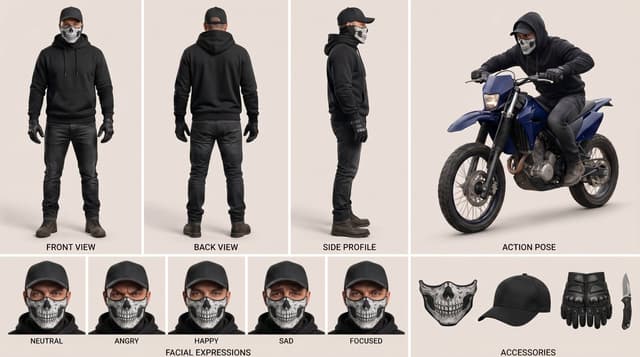
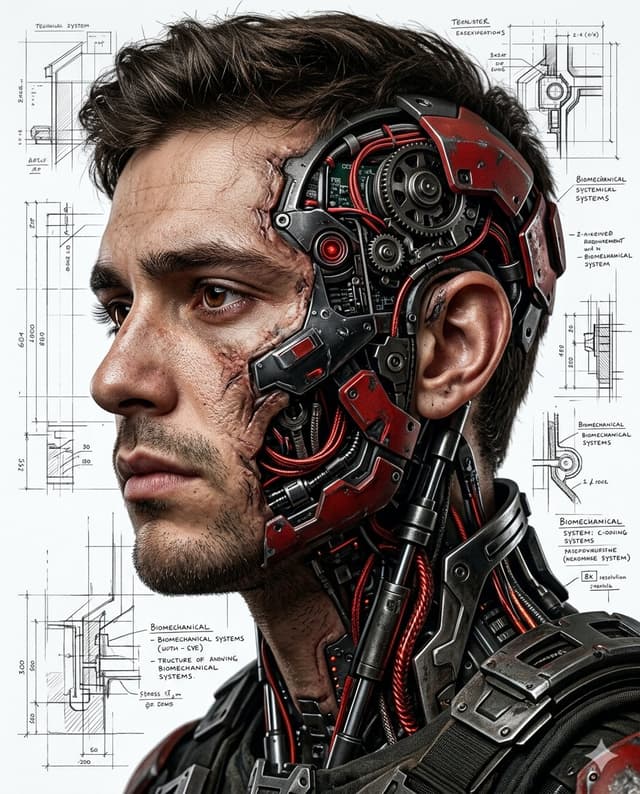
Comic / Storyboard - Hyper-realistic Cyborg Side Profile — output
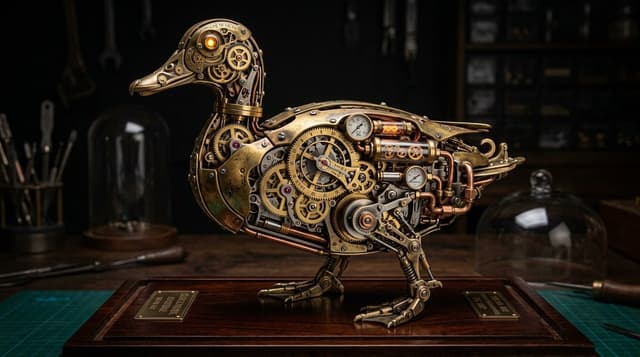
Game Asset - Steampunk Miniature Clockwork Machine — output
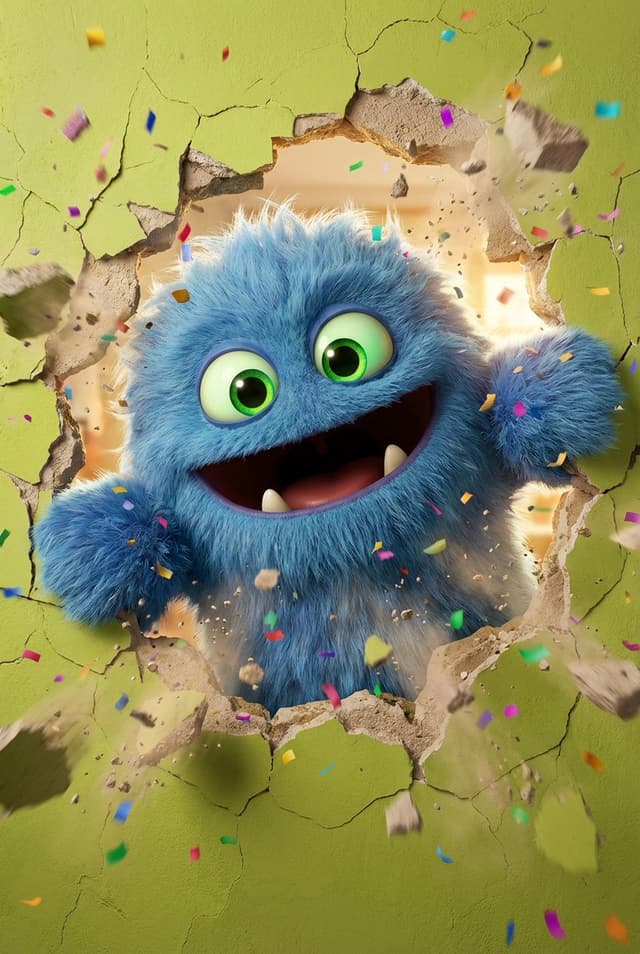
Game Asset - 3D Fluffy Monster Bursting Through Wall — output
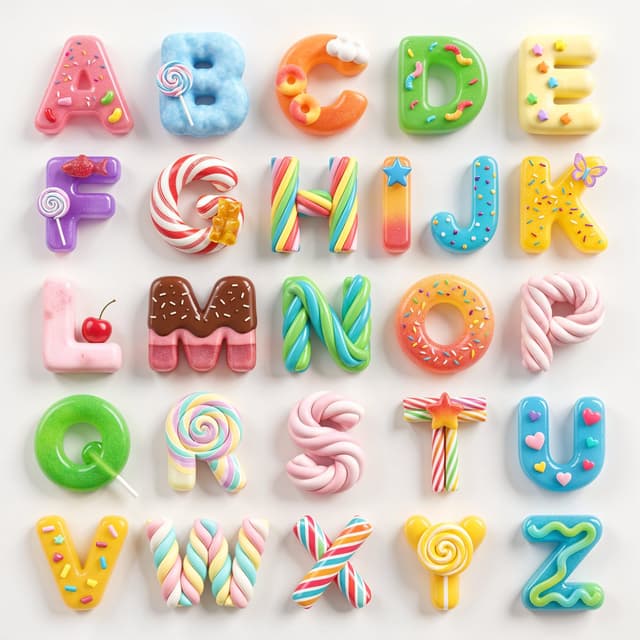
Game Asset - 3D Squishy Candy Alphabet — output
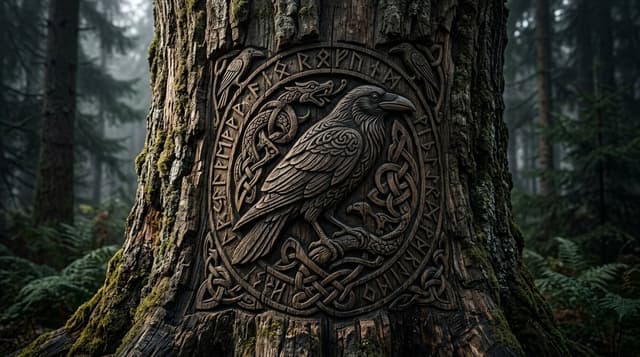
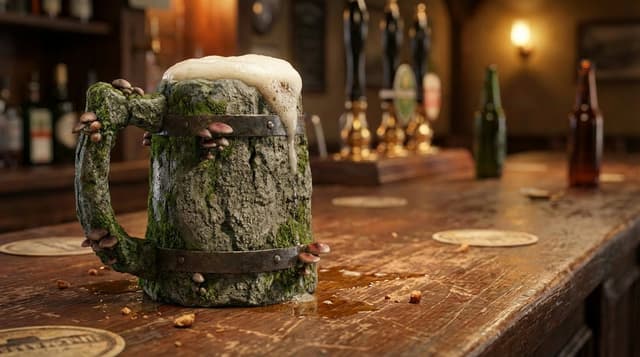
Game Asset - Viking Tree Carvings — output
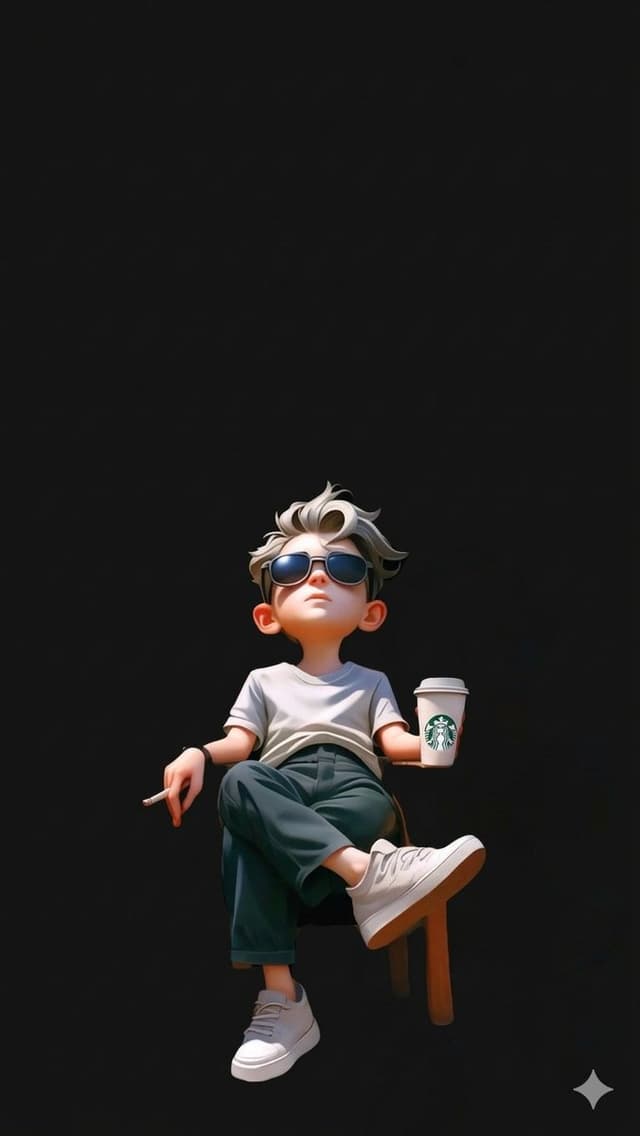
Comic / Storyboard - Pixar Style Cool Boy Illustration — output
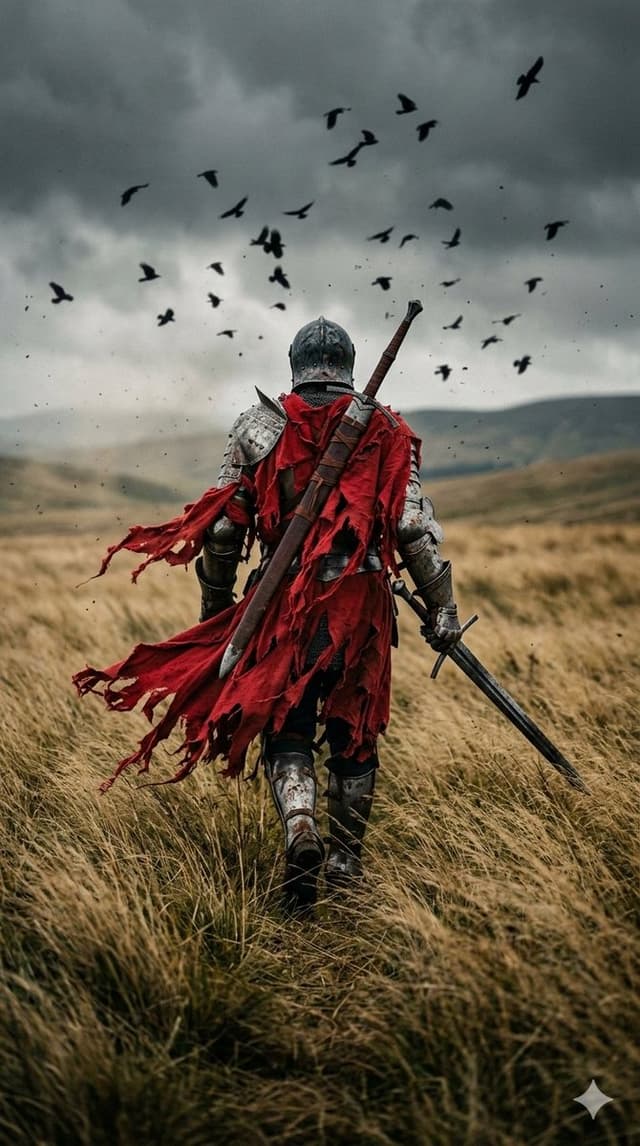
Game Asset - Dark Fantasy Knight Wallpaper Generation with Nano Banana 2 — output
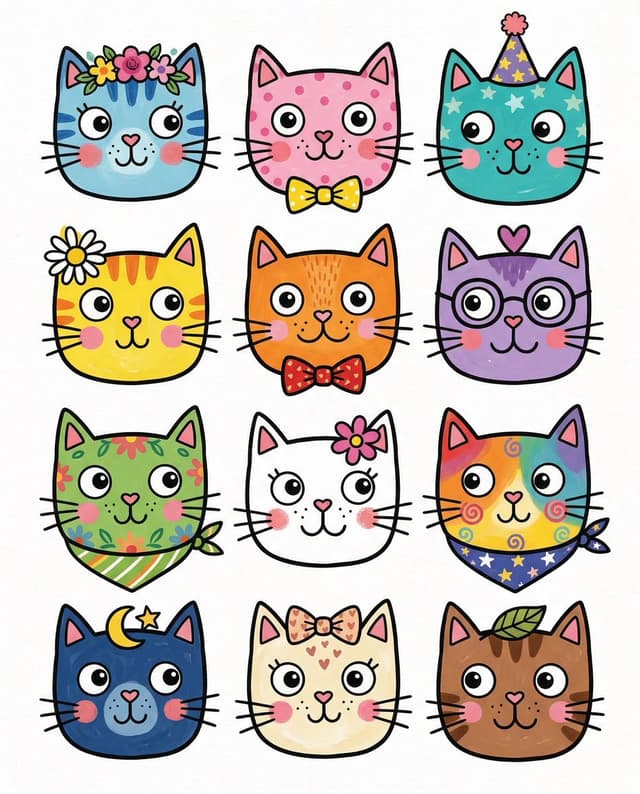
Game Asset - Stylized Grid of Whimsical Cat Faces — output
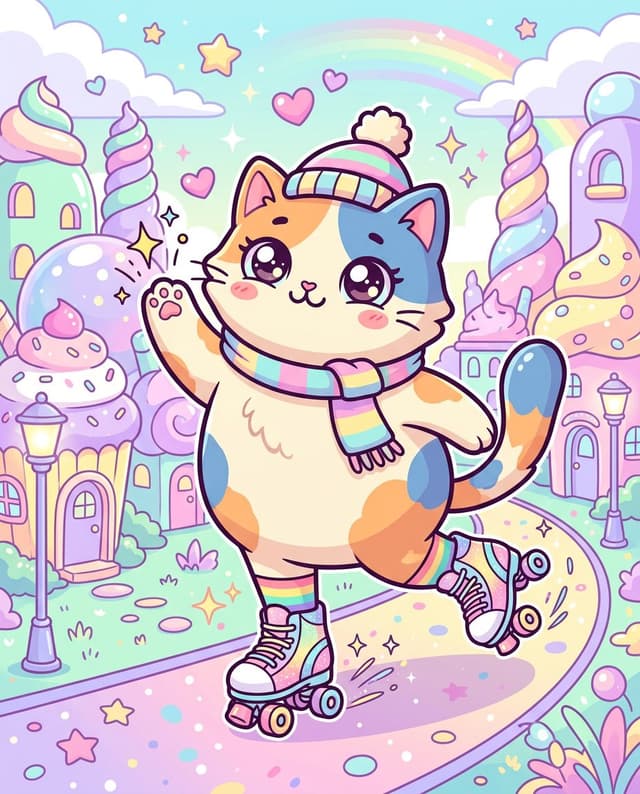
Game Asset - Pop Surreal Kawaii Cat on Roller Skates — output
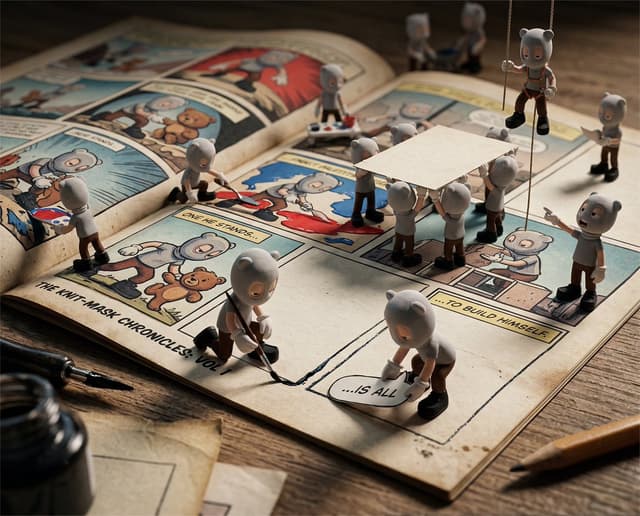
Comic / Storyboard - Cinematic Macro Toy-Photography of Mini Beasts — output

Comic / Storyboard - Cinematic Macro Toy-Photography of Mini Beasts

Edizkan ⭕🦇Nano Banana Pro
A cinematic macro toy-photography scene of the uploaded reference character multiplied into dozens of miniature identical instances, each actively working on a giant open comic book that tells the story of the same character.
Likeness Integrity (CRITICAL)

All miniature instances must preserve the exact identity of the reference character:

• identical proportions

• exact eye shape, spacing, stylization

• same silhouette and material behavior

• no added features, no face changes, no stylization drift
The comic book artwork must depict the exact same character design language, translated into printed comic style without altering anatomy or facial structure.
Scene Concept & Action
The giant comic book lies open like a construction site of narrative.
Mini characters are scattered across the pages, each performing a specific task:
• some are drawing panels with tiny tools (pens, brushes, stylus-like tools)

• some are painting color into panels

• some are climbing panel borders like scaffolding

• some are inspecting scenes, pointing, directing

• some are physically interacting with the comic world ( lifting panels, stepping into frames)
The scene must feel like they are building their own story in real-time.
Perspective & Composition (MANDATORY)
Camera & Perspective (Corrected)
Low-angle macro shot, camera positioned close to the comic page
Lens: 90–100mm macro (compression, NOT distortion)
• Perspective compression must preserve consistent object scale

• Foreground character appears larger only due to proximity to lens

• No exaggerated wide-angle distortion

• Spatial depth created through distance falloff + focus, not scaling

• The open comic book stretches diagonally into depth

• Panels form strong leading lines across the frame

• Composition is intentionally off-balance, not centered

• Some characters partially cropped by frame edges
Foreground includes blurred ink tools, paper edges, or panel borders creating depth layering
Depth of Field (CRITICAL)
Extremely shallow depth of field
• Primary focal plane: one or two mini characters in the foreground actively working

• Mid-ground characters slightly softer

• Background characters and panels fall into creamy blur
No full-frame sharpness
Focus must guide the viewer toward the “main worker” character
Lighting Doctrine
Hard directional cinematic light from top-left
• sharp shadows cast across comic panels

• subtle rim light separating characters from page

• ink reflections create small specular highlights

• shadows from panel edges create natural depth
No flat lighting
Environment & Surface Detail
Macro-level realism of the comic book:
• visible paper fibers

• ink texture and slight gloss

• subtle imperfections in print

• panel borders slightly raised or embossed
Tiny tools leave micro mar
Browse by model, style or topic

Find your next direction

ASTORIE CANVAS

Take the idea further.

Bring your prompts, references and results together in one creative space.

Open your canvas ↗